Nothing stays: making friends with impermanence
Everything changes, and most suffering comes from resisting it. How the Buddhist teaching of anicca brings comfort in hard seasons. With coach Aparna Kher.
3 March 2026 · 3 min read · Aparna Kher
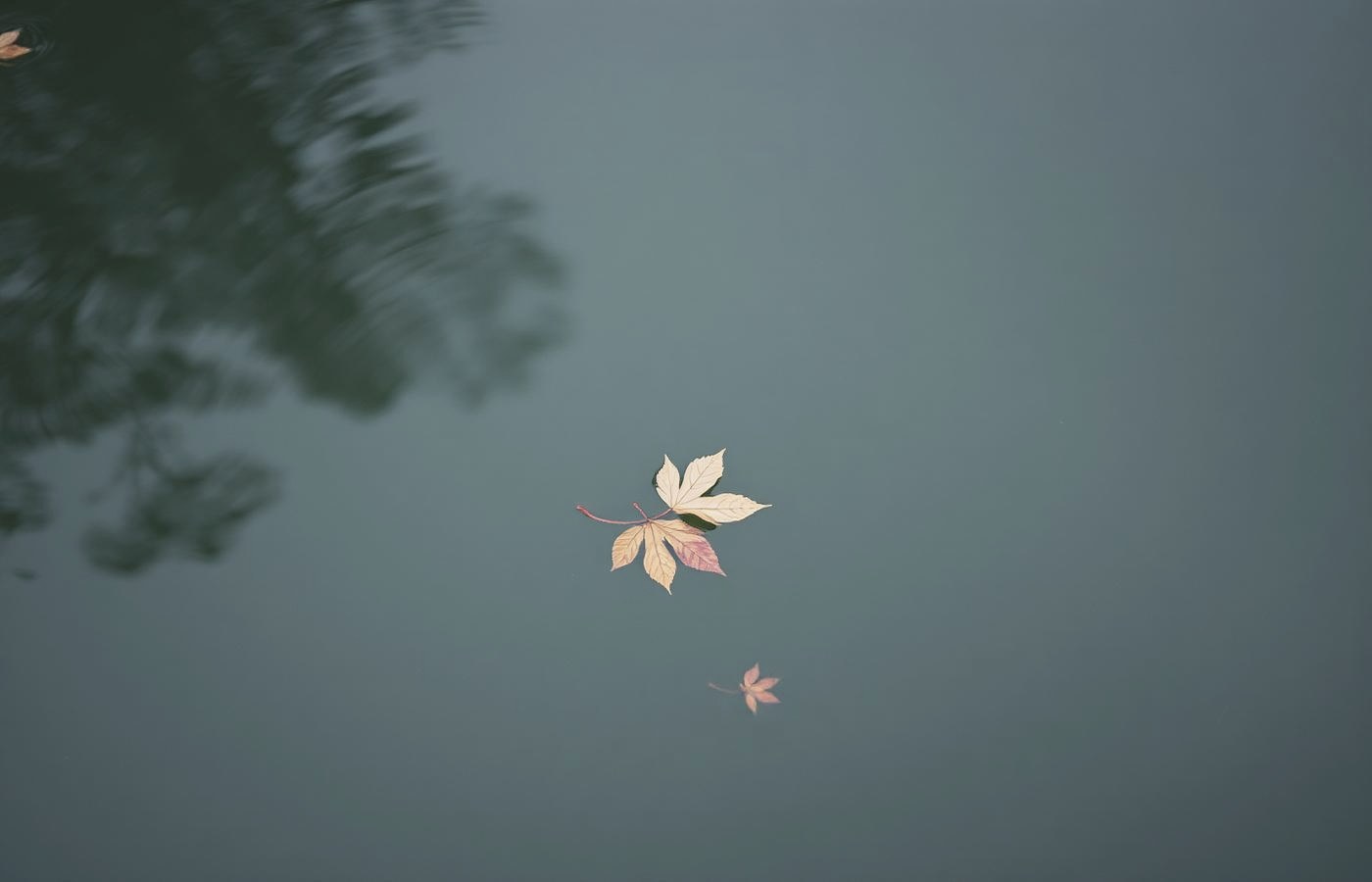
Look around the room you are in. In a hundred years, every object in it will be gone, and so will you, and so will everyone reading this. I know. Not the cheeriest opening line I have ever written. Stay with me, because there is comfort in it, and it is the kind that lasts.
The Buddha named three marks of existence, and the first is anicca (impermanence). Everything changes. Everything passes. The pleasant and the unpleasant alike are on their way out the moment they arrive. We know this, in theory. And we spend enormous energy pretending it is not so.
Most of our suffering, the tradition suggests, comes not from change itself but from our resistance to it. We grip the good, terrified it will end. We brace against the hard, desperate for it to stop. Both are a kind of argument with reality, and reality, in my experience, tends to win.
I met anicca most sharply through loss, as most of us do. When my life was rearranged by grief and change, my whole body strained to get back to how things were. The straining was its own suffering, on top of the loss. It was only when I let myself accept that the old shape was gone, really gone, that I could begin to live in the new one. Acceptance is not approval. It is the moment you stop fighting the tide and start learning to swim in it.
Here is the surprising gift. Impermanence does not only take. It also gives. If everything passes, then this hard season will pass too. The knot in your chest is not permanent. The stuck feeling is not the end of the story. The very thing that makes joy poignant, that it will not last, is the thing that makes suffering bearable: it will not last either.
There is an old practice of holding life a little more like a guest than a possession. In India we say goodbye to festivals by immersing the deity we spent days making, watching it dissolve in the water on purpose. We build the beautiful thing knowing it will not stay, and we love it anyway, perhaps more, because it will not stay. That is not sadness. That is wisdom dressed as celebration.
You can practise this in miniature. The next time you hold something good, a warm cup, a child’s hand, a golden hour of light, let yourself notice: this too will pass. Not to spoil it. To deepen it. Impermanence, held lightly, turns ordinary moments into ones you actually taste, because you know they are on loan.
And the next time you are in something hard, offer yourself the same truth in its kinder form. This is real, and this is heavy, and this too will pass. Both halves matter. The heaviness deserves acknowledging. The passing deserves trusting.
Making friends with impermanence is not resignation. It is the opposite. It is what lets you love fully and let go cleanly, to hold on with open hands. Nothing stays. So arrive, properly, for the thing that is here right now. It is the only one you will ever get, and it is enough.


If this resonated
Reading is one thing. Being accompanied is another.
A free 15-minute exploratory call to see whether we are the right fit. No pressure, no obligation, just a conversation.
Book a free 15-minute call