Gratitude that isn’t a performance
Real gratitude sits next to grief, not above it. A gentler gratitude practice you feel in the body rather than log as a chore. From coach Aparna Kher.
29 January 2026 · 3 min read · Aparna Kher
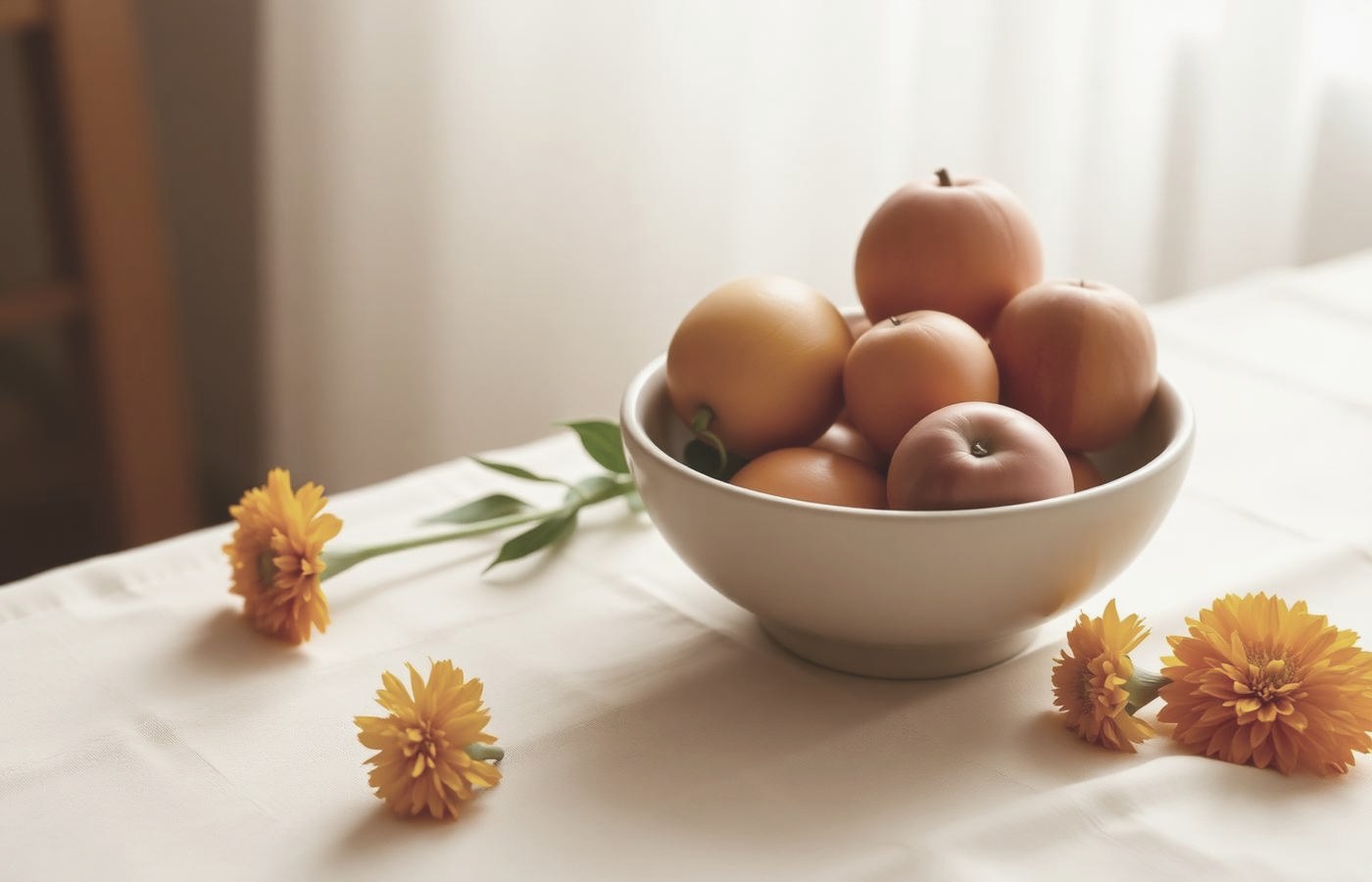
Have you ever written a gratitude list that felt like homework? Three good things, dutifully logged, while some part of you stayed unconvinced. I have. It turns out gratitude, done as a chore, is just another item on the list.
We have made gratitude into a productivity hack, and in doing so we have hollowed it out. The research is real: noticing what is good does shift the mind over time. But when gratitude becomes a performance, a thing we display or use to bypass difficulty, it stops doing its quiet work.
Real gratitude is not a bright coat we paint over a hard day. It is not “look on the bright side.” It sits, oddly, right next to grief. You can be thankful for a person and heartbroken that they are gone. You can love your life and find parts of it very hard. Gratitude that refuses to hold both is not gratitude. It is denial in nicer clothes.
In the Indian tradition, thankfulness is woven into the ordinary rather than saved for special occasions. Food is offered before it is eaten. Elders’ feet are touched as a way of receiving blessing. The first fruit, the first rain, the new tool, the new book, each gets a small acknowledgement. Gratitude here is not an emotion you wait to feel. It is a gesture you make, and the feeling follows the gesture more often than the other way round.
That order matters. We tend to think we must feel grateful before we can act grateful. Try reversing it. Make the small gesture first, the pause before the meal, the thank you said properly and slowly, the hand on the heart at the end of the day, and notice how the feeling tends to arrive to meet it.
Here is a practice I return to, and it takes under a minute. At the end of the day, instead of listing what you are grateful for, feel one thing. Choose a single ordinary moment from the day, the taste of hot tea, your child’s laugh, a colleague’s small kindness, and let yourself feel it again in the body. Not name it. Feel it. Gratitude lives in the body, not the ledger.
There is a Buddhist teaching that we are already surrounded by more than enough, and that suffering often comes from the mind’s habit of reaching for the next thing before it has received the thing in hand. Gratitude is the practice of receiving what is already here. Of letting the good land, rather than skimming past it on the way to the next task.
I think this is why gratitude and presence are really the same skill. You cannot be thankful for a moment you did not fully arrive in. So the invitation is not to manufacture more things to be grateful for. It is to be more here for the ones you already have.
None of this asks you to ignore what is wrong. Name the hard things honestly. Grieve what needs grieving. And still, tonight, let one good moment land all the way in. Not as a task. As a homecoming. That is gratitude that does something, and it costs nothing but your attention.

If this resonated
Reading is one thing. Being accompanied is another.
A free 15-minute exploratory call to see whether we are the right fit. No pressure, no obligation, just a conversation.
Book a free 15-minute call