When you look in the mirror and meet a stranger
Identity shifts in midlife and life transitions are not a failure. On the tender in-between of becoming, and meeting yourself with kindness. Aparna Kher.
14 March 2026 · 3 min read · Aparna Kher
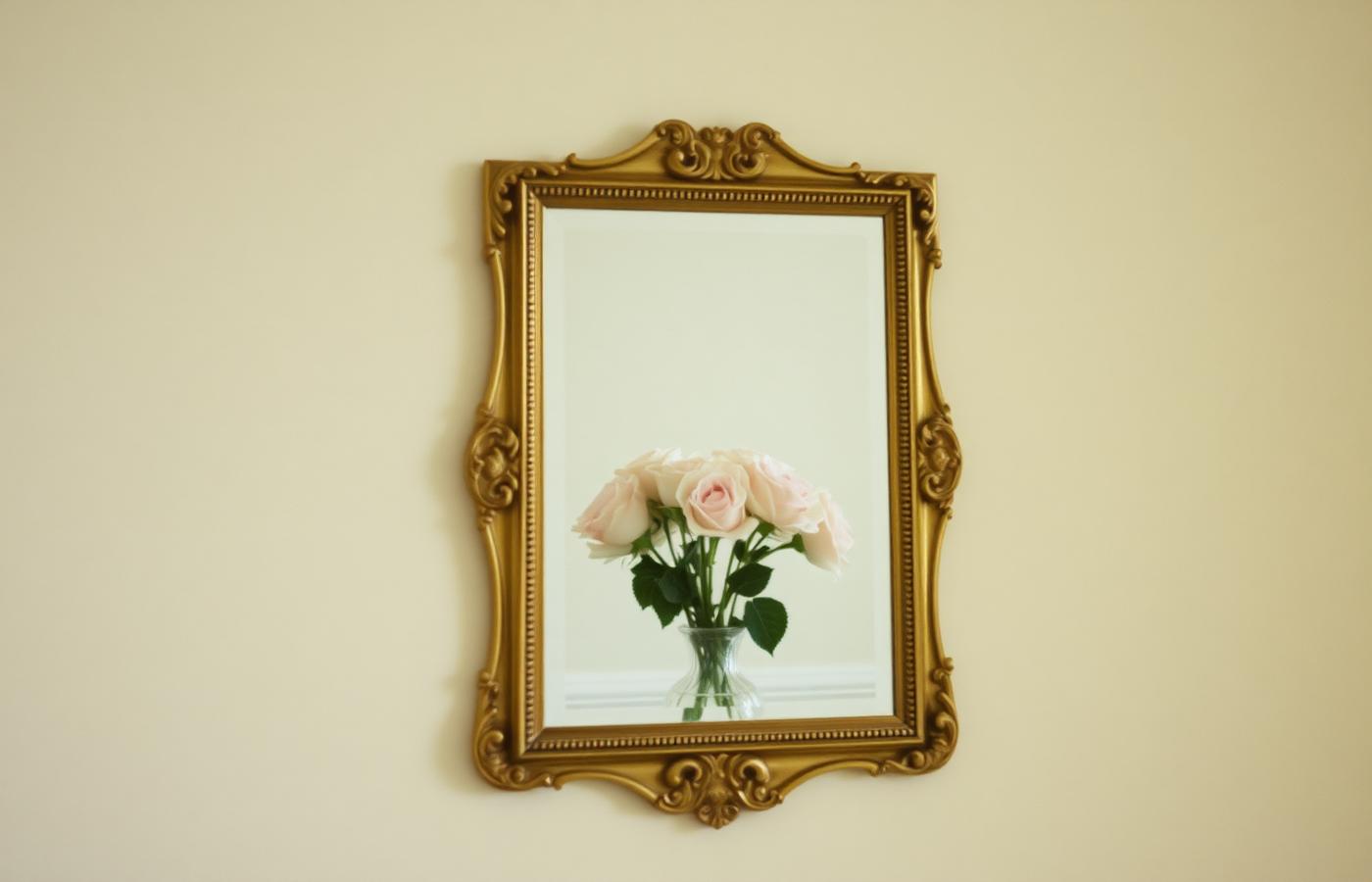
Have you ever caught your reflection and felt a small jolt of not-quite-recognition? Not just the passing of years, but a deeper question: who is that, and when did she arrive? If so, you are not losing yourself. You are in the middle of one of the most important passages a person moves through.
Identity feels solid until, suddenly, it does not. A role ends and takes a large piece of you with it. The parent whose children have grown. The professional whose work defined her. The person a long relationship shaped, now on their own. Motherhood did this to me, dismantling the self I thought was fixed and leaving me, for a while, a stranger to myself.
The instinct in this moment is to panic, and then to grip. Rebuild the old identity as fast as possible. Get back to who I was. It is completely understandable, and it is usually the wrong direction, because the old self is not coming back, and chasing her only deepens the ache.
There is a phase in these passages that has no name in our productivity-loving culture, so we treat it as a problem. The space between who you were and who you are becoming. The old form has dissolved and the new one has not yet set. It is disorienting, and it is not a mistake. It is the necessary in-between where the real work happens.
The Buddhist teachings are strangely reassuring here. They suggest the fixed, permanent self we cling to was always more fluid than we believed. Anatta (not-self) points to the truth that we are not a single unchanging thing but a river, always moving, always remaking. That sounds frightening until you are in a season of change, and then it becomes a mercy. If the self is a river, then you are not broken by change. You are doing exactly what a river does.
So what do you do in the in-between? Less than you think, and it is harder than it sounds. You resist the urge to rush to a new fixed identity. You get curious about what is emerging rather than mourning only what is gone. You ask small, open questions: what matters to me now, in this body, in this life, that I never had the space to ask before?
I found it helped enormously to stop asking “how do I get back to normal” and start asking “who am I free to become now that the old shape has loosened?” The first question is a prison. The second is a door.
Practise maitri (loving-kindness) with the stranger in the mirror. She is not a failure of the woman you were. She is the honest beginning of the woman you are becoming, and she is doing something brave, which is changing in a culture that would rather you stayed the same and quiet.
If you are between selves right now, unrecognisable to yourself, please hear this. You are not lost. You are in the passage. Do not rush it, and do not face it alone. Let yourself not know for a while. The new self is forming, quietly, underneath the not-knowing. Your only task is to keep meeting her with kindness until she arrives.

If this resonated
Reading is one thing. Being accompanied is another.
A free 15-minute exploratory call to see whether we are the right fit. No pressure, no obligation, just a conversation.
Book a free 15-minute call