Pace the day: gentle rhythms for a mindful day
Small, unforced ways to give your day a rhythm you can live inside, from a protected first hour to the afternoon aaram and an evening close. From Aparna Kher.
24 July 2026 · 3 min read · Aparna Kher
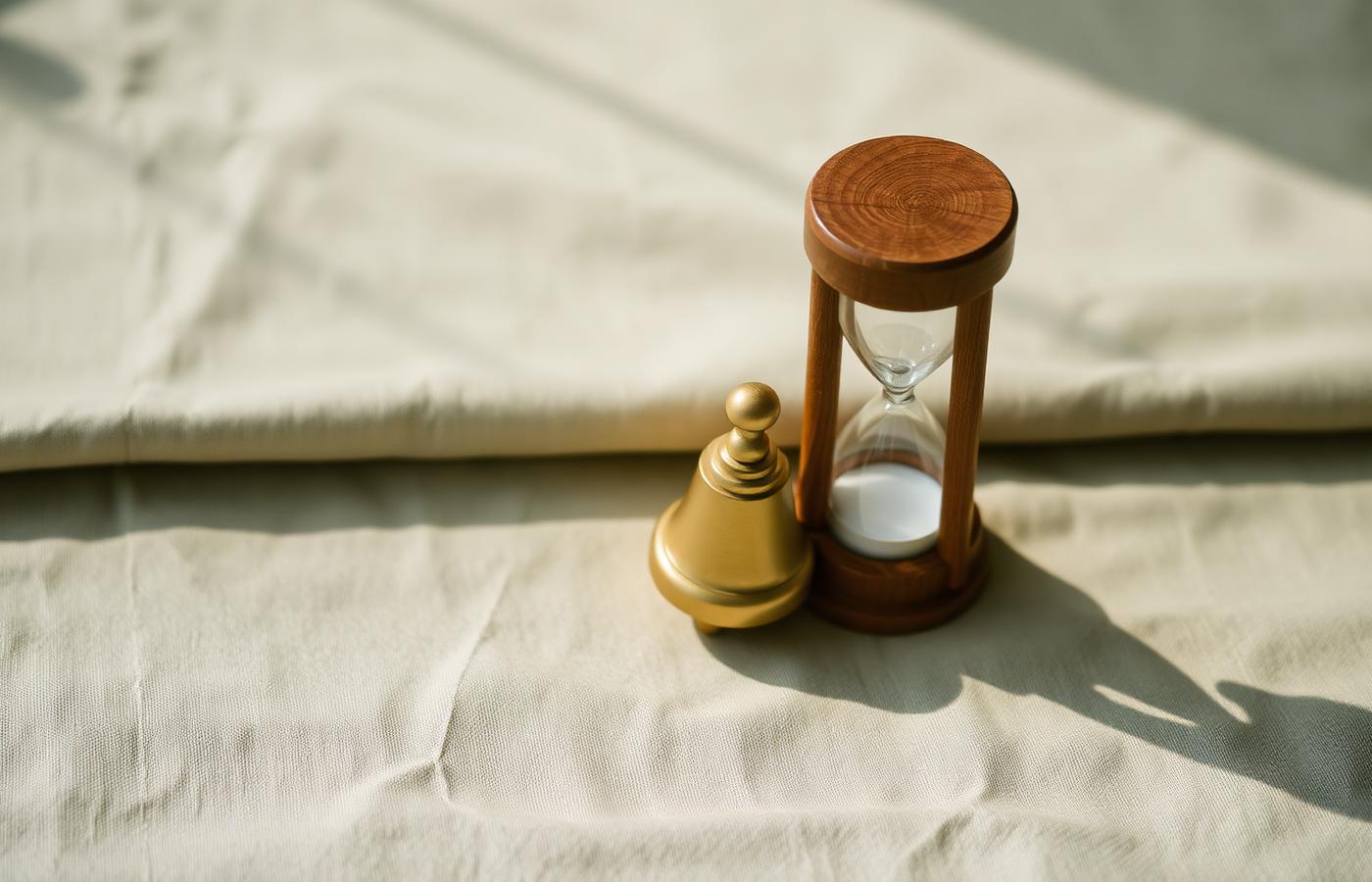
We were never designed to sprint from waking to sleep. A day, like a piece of music, needs its rests as much as its notes. Here are small, unforced ways to give your day a rhythm you can actually live inside. Take what serves you and leave the rest. There are no rules here, only invitations.
Begin before the world does. Before you reach for your phone, give yourself a few minutes that belong to no one else. Feel your feet on the floor. Take five slow breaths, longer on the way out. Name one thing you are grateful for and one gentle quality you would like to carry, from patience to courage to ease. Under four minutes, and it quietly tilts the whole day.
Let the first cup be a ritual, not a refuel. Whether it is chai, coffee, or hot water with lemon, hold it in both hands and drink the first few sips without a screen. One small, warm act of presence teaches the nervous system that the day can be met, not grabbed.
Work in waves, not in one long flood. Attention is not a tap that runs all day. From roughly fifty minutes of focus to a real ten-minute pause, let your energy rise and fall. In the pauses, look at something far away, stretch, step outside. You will do better work in less time, and your shoulders will forgive you.
Take the sacred pause. Once or twice a day, stop for sixty seconds and do nothing at all. One hand on the belly, a few slow breaths, a simple question: what am I holding, and can I loosen it by ten per cent? This is not lost time. It is the space where you come back to yourself.
Honour the afternoon lull. There is a word in Hindi, aaram (rest, ease), for the natural dip in the day, and it carries no guilt. Instead of fighting the slump with more caffeine, work with it. A short walk, a few minutes of quiet, a proper lunch eaten away from the desk. Rest is not the reward for the day’s work. It is part of how the work gets done.
Move your body, gently, at least once. Not to earn anything or burn anything. Simply to come back into yourself. From a slow walk to a few minutes of stretching to standing barefoot on the grass, let the body remind you that you are more than a mind at a screen.
Eat one meal with attention. Choose a single meal and give it your presence. Notice the colour, the smell, the first real taste. In many Indian homes food is offered before it is eaten, a small pause of thanks. You need no ritual but the pause itself, and the letting the nourishment land.
Close the day on purpose. As the light goes, let the pace come down with it. Dim the screens an hour before bed if you can. Look back over the day and let one good moment land again in the body, not as a task but as a homecoming. If something is unfinished, write it down so your mind can set it down too.
End with kindness. The last words you say to yourself matter more than you think. However the day went, however you fell short, place a hand on your heart and offer the sentence most of us were never taught: I did my best today, and that is enough. Then let the day go.
A well-paced day is not a perfectly optimised one. It is a human one, with room to breathe. Begin with a single rhythm from this list, the one that tugs at you as you read. Let it become yours. The rest will follow, in its own time, at its own gentle pace.


If this resonated
Reading is one thing. Being accompanied is another.
A free 15-minute exploratory call to see whether we are the right fit. No pressure, no obligation, just a conversation.
Book a free 15-minute call