Habits, good and bad, and the kinder way to change them
Willpower and shame rarely change a habit. Why small steps, self-compassion, and meeting the need beneath a habit work better. From coach Aparna Kher.
5 August 2026 · 4 min read · Aparna Kher
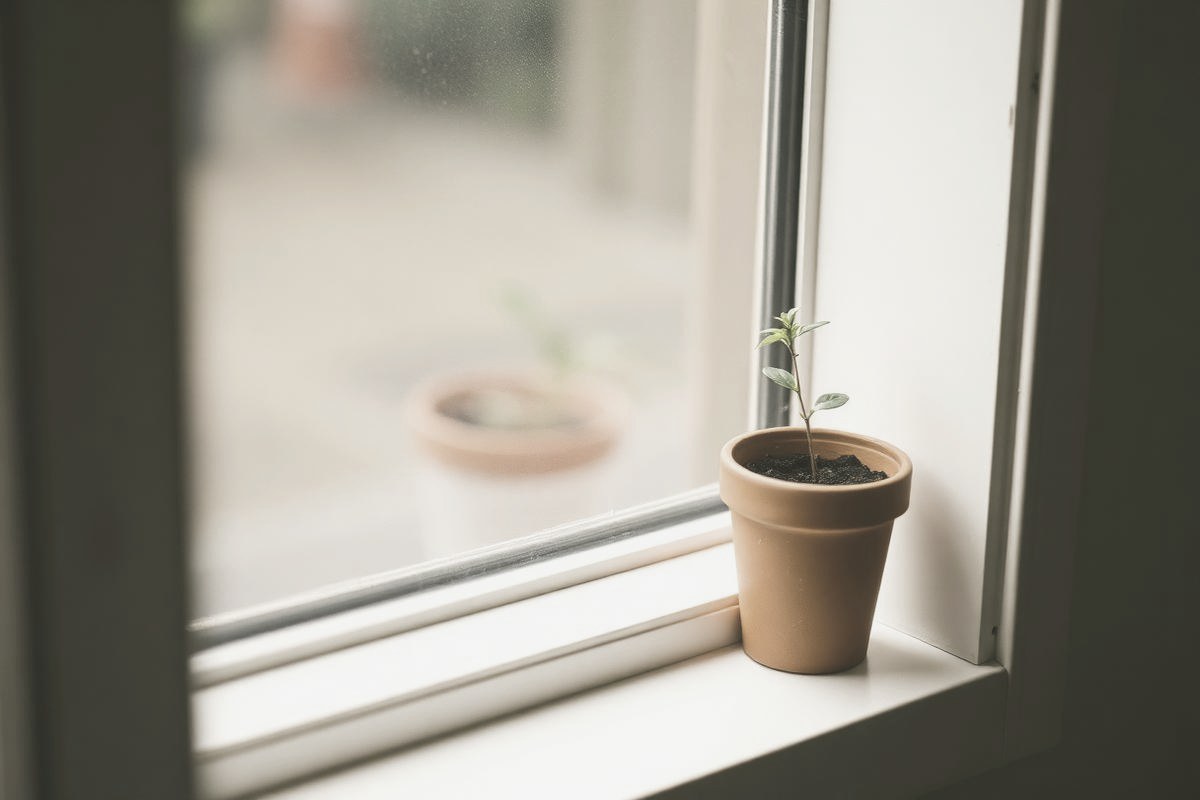
Why is it so hard to do the things we know are good for us, and so easy to do the things we know are not? If willpower were the answer, we would all be our best selves by now, because heaven knows we have tried gritting our teeth. The trouble is that we have been sold a story about habits that does not match how humans actually work, and the story itself is part of what keeps us stuck.
Here is the truer picture. A habit is not a moral test you keep failing. It is a pattern your brain and body learned, usually for a good reason, and then automated so you would not have to think about it. The morning scroll, the evening glass of wine, the biscuit at three o’clock, none of these are signs of weakness. They are strategies. Somewhere along the way each one met a real need, from comfort to rest to a moment of escape, and the body, being efficient, kept it.
This matters, because it changes where you aim. When you understand that a so-called bad habit is meeting a need, willpower alone will never win, because you are trying to remove something that is doing a job while leaving the job undone. The kinder and more effective path is to ask, without judgement: what is this habit giving me? The evening wine might be the only signal your body has that the working day is over. The scroll might be the only rest you allow yourself. Meet the need in a better way, and the habit loosens its grip, because it is no longer the only thing holding the line.
Shame, meanwhile, is the great enemy of change, though we reach for it first every time. We believe that if we are hard enough on ourselves we will finally shift, and the opposite is true. Shame sends us straight back to the very habit we are ashamed of, because the habit soothes the shame. Self-compassion, which sounds far too soft to work, is what actually creates the safety a person needs to change. You cannot grow in a climate of contempt. You can only grow in one of kindness.
The practical wisdom here is well captured by the writer James Clear, in Atomic Habits, whose core idea I return to often: make it small, make it easy, and let it be about who you are becoming rather than what you are forcing. Do not vow to meditate for an hour. Sit for one minute. Do not swear off the phone forever. Leave it in another room while you drink your morning tea. Attach the new thing to something you already do, from a few breaths before you get out of bed to a short walk after lunch. Small, repeated, kind. That is how habits actually turn.
And when you slip, and you will, because you are a person and not a machine, the whole game is what you do next. Not the spiral of “I have ruined it, I may as well give up”, which turns one missed day into a lost month. Just a gentle return. Begin again, the way you would encourage a friend to, without the lecture. The missed day is never the problem. The story you tell about it is.
Change, it turns out, is less about discipline than about design and mercy. Build the small thing into your day so it needs no heroics, meet the old habit’s need in a kinder way, and forgive yourself the stumbles so they stay stumbles rather than becoming reasons to quit.
So choose one tiny change, so small it feels almost silly, and attach it to something you already do. Repeat it kindly. Let who you are becoming, not who you are ashamed of being, do the pulling. That is not weakness dressed up as self-help. It is simply how humans actually change.


If this resonated
Reading is one thing. Being accompanied is another.
A free 15-minute exploratory call to see whether we are the right fit. No pressure, no obligation, just a conversation.
Book a free 15-minute call