The gratitude circle: a small practice that changes a room
How a gratitude circle, a few minutes of sharing what you are thankful for, can change a family, a team, or a community. A practice from coach Aparna Kher.
29 July 2026 · 4 min read · Aparna Kher
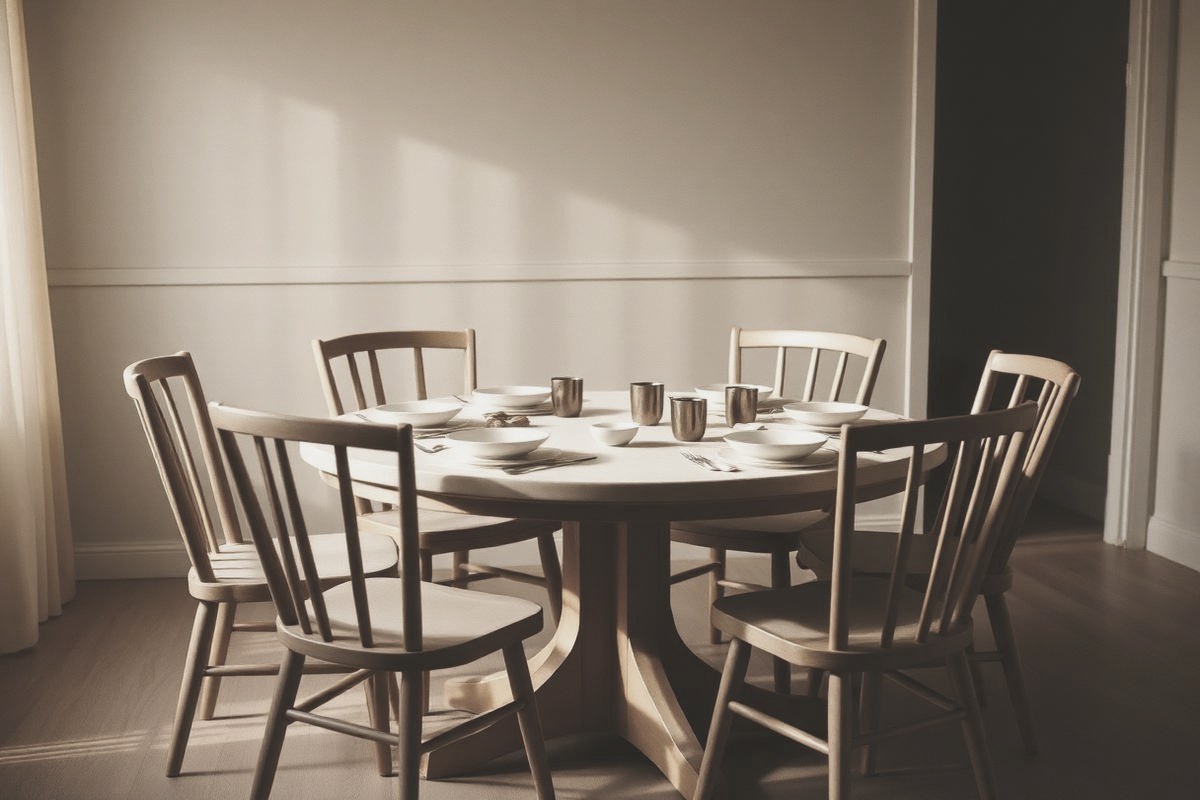
What if the most nourishing few minutes of your family’s day cost nothing, needed no equipment, and fitted neatly between the dal and the last chapati? I want to tell you about a practice so simple it is almost embarrassing to write down, and so quietly powerful that I keep recommending it: the gratitude circle.
Here is how it works. A group of people, from a family at the dinner table to a team at the start of a meeting to a few friends on a walk, take turns to name one thing they are grateful for. That is the whole thing. One person speaks, everyone else listens, no cross-talk, no fixing, no comparing. Then the next person. Round the circle it goes, and something in the room settles.
I have written before about gratitude as a private practice, something you feel in the body rather than log as a chore. The gratitude circle is its relational cousin, and it does something the solo version cannot. It makes gratitude shared. When you say your thankful thing out loud, in company, and it is received rather than judged, two things happen at once. You feel it more deeply, because speaking it makes it real. And the people around you learn something true about what matters to you.
There is old wisdom in this. In many Indian homes, gratitude has always been spoken and shared rather than kept private. Food offered before it is eaten. Blessings said aloud. The whole family pausing together before the meal. We are, at heart, communal creatures, and gratitude does its best work when it is passed between people rather than stored in a notebook.
I have watched a gratitude circle change the temperature of a family. Children who answer “how was your day” with a shrug will, given the simple frame of one good thing, suddenly offer you a window into their inner world. A tired partner, asked only to name one small mercy, softens. And you, listening, are reminded that the people you love are noticing beauty you had walked straight past. It becomes a small daily act of turning towards each other.
A few gentle pointers, because the simplicity is easy to overcomplicate. Keep it small, one thing each, not a speech. Make it specific, from the taste of the first chai to a kind word from a colleague to the way the light fell in the afternoon, because specific gratitude lands harder than “my family” or “my health”. Welcome the ordinary. And protect it from becoming a performance or a competition, which is the quickest way to kill it.
It matters, too, that you let the difficult days in. A gratitude circle is not forced brightness. On a heavy day, someone might be grateful only that they are still here, that someone made them tea, that the circle exists at all. That counts. In fact those are often the truest rounds of all.
You do not need to call it anything or announce a new family ritual. Tonight, at the table, you could simply ask: what is one thing you are grateful for today? Then listen, properly, and answer honestly yourself. Do it again tomorrow, and the day after. Within a week it will belong to you. Gratitude, it turns out, grows best in a circle, passed from hand to hand, like something warm.

If this resonated
Reading is one thing. Being accompanied is another.
A free 15-minute exploratory call to see whether we are the right fit. No pressure, no obligation, just a conversation.
Book a free 15-minute call